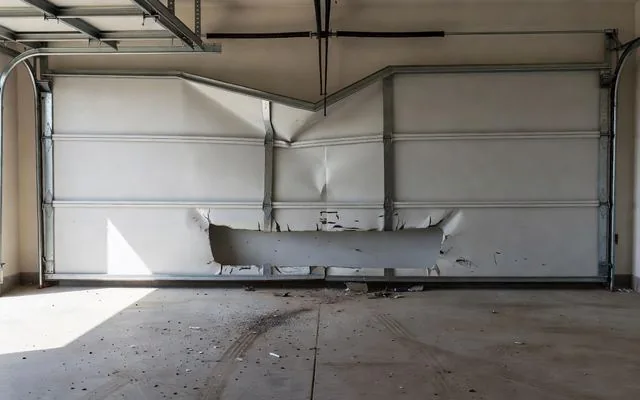
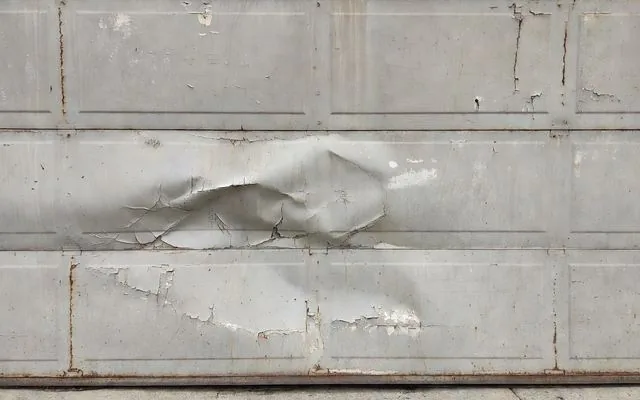
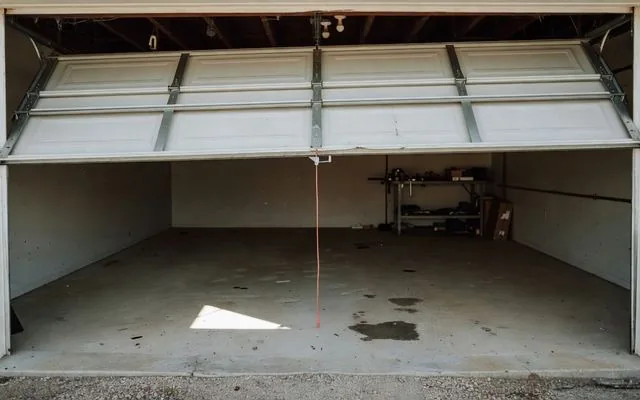
Springs, cables, motors, rollers and tracks — repaired by technicians who work this coast and know what salt does to a door. Tell us what yours is doing and we'll get you a firm price before anyone starts.
No obligation. Takes 30 seconds.
The jobs that come up most. Pick what's closest to your situation — or just tell us what's happening and we'll work it out.
The door won't open, won't close, or is making a noise it didn't used to make.
Read more →The most common failure, and the one job genuinely worth not attempting yourself.
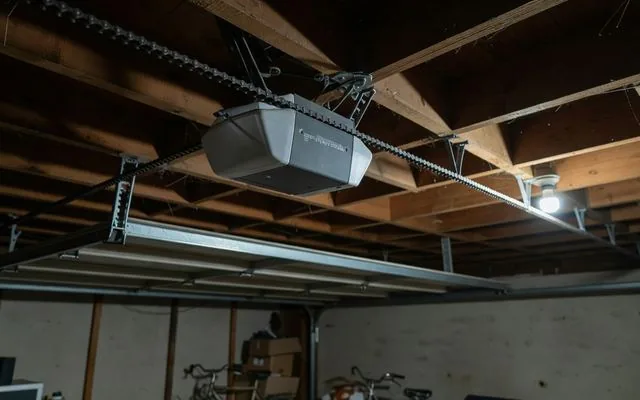
Read more →Openers that hum, stall, run without moving the door, or have stopped entirely.
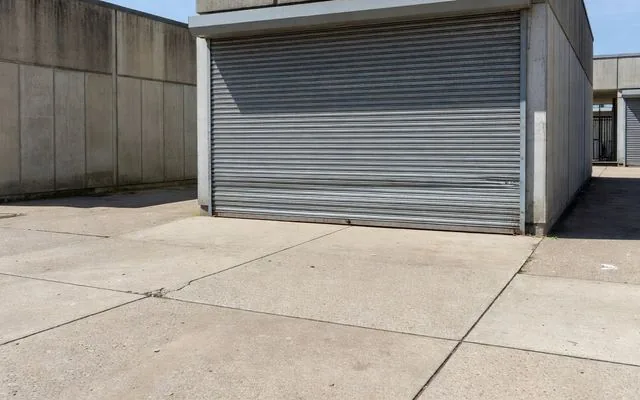
Read more →Curtain, drum, spring and guide work on residential and commercial roller doors.
Read more →Scheduled servicing that keeps a door running and catches parts before they fail.
Read more →Doors that have jumped their tracks, and the cable failures that usually cause it.
Read more →Door stuck open, stuck shut, or a car trapped inside.
Read more →New doors into an existing opening — sectional, roller or tilt.
Read more →What garage door repairs actually cost on the Gold Coast, and what moves the number.
Read more →Technicians who work this coast, where salt decides what fails first.
Salt is the difference here. Someone who works the Gold Coast every day knows to check the cables and the bottom brackets on a beachside door, not just the part that failed.
Plenty of doors get quoted for replacement when a spring, a cable set or a gear kit would do. We refer operators who will tell you which one you're actually looking at.
Garage door repair needs no QBCC licence in Queensland — it isn't building work. Anyone implying otherwise to justify a price is telling you something that isn't true.
Doors here fail differently to doors inland. The coast is harder on steel, the storm season loads them more heavily, and holiday properties sit unused long enough to seize.
Within a few kilometres of the beach, salt gets into everything. Springs, cables, hinges and roller tracks corrode faster here than they do inland, and a corroded cable is the one that snaps without warning. It's the single biggest difference between a coastal door and the same door in Toowoomba.
November through March brings the southeast Queensland storm run — sudden pressure changes, driven rain and debris. A garage door is the largest opening in most houses, so it takes more wind load than any other part of the building.
Holiday homes and rentals sit unused for months, and a door that isn't cycled seizes. The most common callout after a quiet stretch isn't a broken part at all — it's a motor straining against tracks and rollers that have gone stiff.

Most garage door failures give some warning — a noise, a hesitation, a door that sits crooked. The ones that don't are cables, and on this coast that is usually corrosion doing its work out of sight.
Most repairs land between $150 and $600. A service call is usually $90 to $180 and is normally credited against the work. The part, not the door, decides the number.
Most garage door work needs no licence at all in Queensland — repairs and servicing aren't classed as building work. The line is the opening, not the door, and it's worth knowing which side your job sits on.
Approval is required for:
Approval is not required for:
Unlicensed building work carries penalties in Queensland, and it can affect an insurance claim later. For ordinary repairs it simply doesn't arise — but if someone proposes cutting or widening the opening, ask to see the licence. You can check any licence free on the QBCC register. Source: City of Gold Coast. The line runs through the opening, not the door — so check which side your job sits on.
Full permit rules explainedFrom Coolangatta and Currumbin up through Burleigh, Broadbeach and Surfers to Southport, Labrador and the northern corridor at Coomera, Pimpama and Ormeau — plus the hinterland at Nerang, Mudgeeraba, Canungra and Tamborine Mountain.

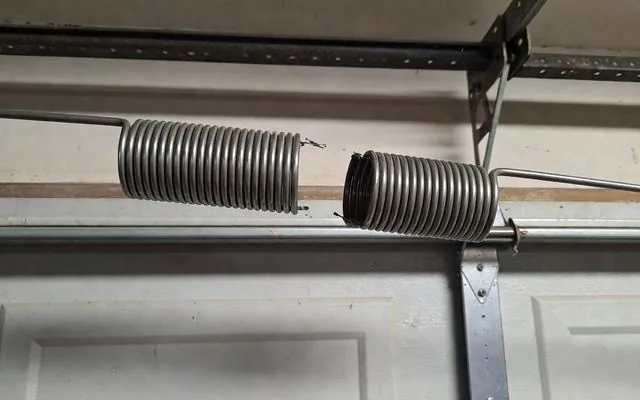
A broken torsion spring, nine times out of ten. If the door is very heavy to lift by hand, or you heard a loud bang from the garage recently, that's almost certainly it. The motor isn't broken — it simply can't lift a door that has lost its counterbalance.
Strongly advised against, and this isn't sales talk. A torsion spring holds enough stored energy to lift a door weighing 80 to 150 kilos, and it holds that energy whether the door is up or down. Releasing it without the right winding bars is how people lose fingers. The part is cheap; the technique is what you're paying for.
Not for repairs. Garage door repair and servicing aren't classed as building work under the QBCC, so no licence is required for springs, cables, motors, tracks or panels. Installation that cuts a new opening or alters the structure is building work and does need a licensed contractor. The line runs through the opening, not the door.
Salt. Within a few kilometres of the water it gets into cables, springs, hinges and roller tracks, and corroded steel fatigues faster. Cables are the ones to watch — they fray from the inside and let go without much warning. A door within sight of the beach is worth servicing more often than the manual suggests.
The Gold Coast sits in wind Region B under AS/NZS 1170.2 — higher design wind speeds than most of inland Australia, though not the cyclonic regions further north. The mandatory wind-rating requirements in the building code apply to Regions C and D. That said, a garage door is the largest opening in most houses, so if it fails in a storm the building pressurises and the roof takes the load. Worth specifying a door suited to the site rather than the cheapest panel available.
Most repairs land between $150 and $600. A service call is usually $90 to $180 and is normally credited against the work. Springs and cables sit in the middle of that range; motors vary widely depending on whether the board can be repaired or the unit replaced.
Most spring, cable and roller jobs are done in under two hours on the first visit. Panel replacement and colour-matched sections usually need parts ordered, so that's a second visit.
Almost always the safety sensors. They sit a few centimetres off the floor either side of the opening, and if they're misaligned, dirty or blocked the opener reverses as a safety measure. Often a two-minute fix, and worth checking before you call anyone.
Tell us the suburb and what the door is doing. We'll do the rest.
Call 0489 983 212